


Table des matières
- Pourquoi les dents bougent-elles au départ ?
- Que fait réellement un gardien de nuit ?
- Les gouttières nocturnes empêchent-elles les dents de bouger ou les protègent-elles seulement ?
- Une gouttière occlusale peut-elle déplacer vos dents avec le temps ?
- Les gouttières dentaires peuvent-elles abîmer vos dents si elles sont mal portées ?
- Différence entre les gouttières de protection nocturne et les appareils de contention
- Le rôle de la position de la mâchoire et de l'alignement de l'occlusion
- Pourquoi les protections en vente libre augmentent le risque de déplacement
- Signes indiquant que votre protège-dents nocturne peut provoquer des mouvements
- Utilisation à long terme et surveillance dentaire
- Quand une gouttière de protection nocturne peut contribuer indirectement à la stabilité
- Comment choisir la bonne protection nocturne
- ALIGNERCO Garde de nuit
- Gouttières nocturnes et mouvement dentaire
- FAQ
Les dents ont une fâcheuse tendance à ne jamais se stabiliser complètement. Même après avoir porté des appareils orthodontiques, des aligneurs ou après des années d'alignement stable, de subtils mouvements persistent. Des mouvements de population peuvent encore avoir lieu. Cette incertitude amène beaucoup de gens à se poser une question importante : les gardiens de nuit… Empêchent-elles les dents de bouger , ou contribuent-elles au contraire discrètement au problème ?
Les protège-dents nocturnes ont différentes utilités selon leur conception, la fréquence à laquelle ils sont portés et l'état de la personne. de votre morsure.
Cet article explore le fonctionnement des gouttières nocturnes, leur interaction avec les mouvements dentaires et l'intérêt d'en porter une. Cela pourrait contribuer à stabiliser votre sourire ou à le déplacer accidentellement. Nous aborderons les réalités de l'orthodontie, la pression exercée sur la mâchoire, et pourquoi la personnalisation est plus importante que la plupart des gens ne le pensent.
Pourquoi les dents bougent-elles au départ ?
Les dents n'existent pas isolément. Elles sont ancrées dans l'os, entourées de ligaments, influencées par les muscles et soumises à la pression. par les habitudes quotidiennes. Le mouvement se produit lentement, souvent sans douleur et généralement sans prévenir. Les orthodontistes le comprennent. Les dents se déplacent naturellement tout au long de la vie. Le vieillissement, les modifications de la mâchoire et les forces de la morsure contribuent tous à ce lent mouvement. migration.
Même les schémas respiratoires et la position de la langue peuvent influencer l'alignement au fil du temps. Le grincement et le serrement des dents ajoutent un autre facteur. couche de complexité. Une pression excessive peut comprimer les ligaments et favoriser le déplacement des dents, surtout lorsque cela La force s'exerce chaque nuit. C'est pourquoi on associe souvent les gouttières nocturnes aux mouvements dentaires. Cela existe, mais cela dépend des détails.
Que fait réellement un gardien de nuit ?
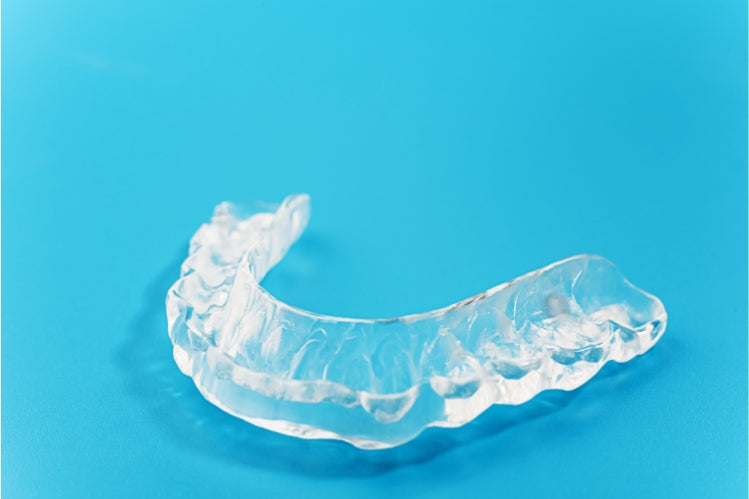
Un gardien de nuit est Il s'agit principalement d'un dispositif de protection. Les dentistes les prescrivent car les gouttières nocturnes sont efficaces pour limiter les dommages causés par le bruxisme, c'est-à-dire le grincement habituel des dents. ou le serrement des dents pendant le sommeil. La gouttière fait office de barrière. Elle absorbe la force, répartit la pression et Prévient l'usure de l'émail. Certains modèles contribuent également à détendre les muscles de la mâchoire en modifiant l'occlusion dentaire.
Cependant, toutes les gouttières de protection nocturne ne sont pas conçues de la même manière. Les matériaux, l'épaisseur, la couverture et l'ajustement sont tous importants. Plusieurs facteurs déterminent si l'appareil protège simplement les dents ou influence subtilement leur position.
C’est là que la question se nuance. Les gouttières nocturnes empêchent-elles les dents de bouger , ou bien… Ils les protègent simplement des dommages ?
Les gouttières nocturnes empêchent-elles les dents de se déplacer ou Il suffit de les protéger ?
Dans la plupart des cas, les gouttières nocturnes ne sont pas conçues pour empêcher le déplacement des dents. Leur objectif est la protection, et non l'alignement. Une gouttière nocturne correctement ajustée ne maintient pas activement les dents en place comme le fait un appareil de contention.
Cela dit, une gouttière occlusale sur mesure de bonne qualité ne provoque généralement pas de déplacement des dents. Elle permet aux dents de se reposer naturellement. tout en réduisant les forces nocives. Des problèmes surviennent lorsque la protection est mal ajustée ou exerce une pression inégale. Avec le temps, cela Un déséquilibre peut favoriser le changement.
La réponse dépend donc du type de gouttière et de son interaction avec votre occlusion. Les gouttières nocturnes empêchent-elles les dents de se déplacer ? Empêcher tout déplacement ? Non, mais certains peuvent contribuer indirectement à la stabilité en minimisant les forces destructrices.
Une gouttière occlusale peut-elle déplacer vos dents avec le temps ?
Cette question préoccupe de nombreux patients, notamment ceux qui constatent des changements après une utilisation prolongée. La réponse courte est : Oui, dans certaines conditions, une gouttière occlusale peut déplacer vos dents . Ce mouvement se produit sous la pression. est appliquée de manière cohérente.
Si une gouttière nocturne exerce un contact plus fréquent sur certaines dents que sur d'autres, ces dents peuvent subir une force nuit après nuit. Au fil des mois ou des années, cette pression peut entraîner de légers décalages. Ce risque augmente avec les protections en vente libre. Ces dispositifs ne sont pas moulés précisément à votre dentition. Ils peuvent sembler confortables au premier abord, mais répartissent la pression de manière inégale.
Les gouttières sur mesure comme les gouttières nocturnes ALIGNERCO, créées par des professionnels dentaires, sont beaucoup moins susceptibles de provoquer ce problème. Ils prennent en compte votre occlusion, la position de votre mâchoire et l'alignement de vos dents. Donc, même si c'est possible, ce n'est pas le cas. inévitable.
Les gouttières dentaires peuvent-elles abîmer vos dents si elles sont mal portées ?
L'expression peut paraître alarmiste, mais elle reflète une préoccupation bien réelle. Les gouttières de protection nocturne peuvent-elles abîmer les dents ? Utilisées de manière inappropriée ? Malheureusement, oui, elles peuvent contribuer à des problèmes si elles sont ignorées ou mal utilisées. Des protections mal ajustées peuvent Elles peuvent provoquer des douleurs dentaires, une gêne à la mâchoire et des modifications de l'occlusion. Certaines personnes ressentent une sensibilité accrue ou Vous remarquerez que leurs dents ne s'emboîtent plus de la même manière au cours de la journée.
Les lésions ne surviennent pas du jour au lendemain. Elles se développent progressivement à mesure que l'appareil modifie la façon dont les forces s'exercent sur la mâchoire. Des examens dentaires réguliers permettent de prévenir ce problème. Les dentistes peuvent détecter les premiers signes et procéder aux ajustements ou remplacements nécessaires. La protection avant que le mal ne survienne.
Différence entre les gouttières de protection nocturne et les appareils de contention
On confond souvent les gouttières de protection nocturne avec les appareils de contention, mais leurs objectifs diffèrent considérablement. Les appareils de contention sont orthodontiques. Des outils qui maintiennent les dents dans leur position corrigée et préviennent activement une récidive orthodontique. Les gouttières nocturnes se concentrent sur Il s'agit de protéger contre le grincement et le serrement des dents plutôt que de stabiliser l'appareil. Le port d'une gouttière nocturne est préférable à celui d'un appareil de contention. Le port d'une gouttière orthodontique ne remplace pas un traitement orthodontique. Les dents peuvent se déplacer même si la gouttière semble bien fixée.
Ce malentendu amène certains à croire que les gouttières nocturnes empêchent les dents de se déplacer dans le même sens. Contrairement aux avocats contractuels, ils ne le font pas, et s'attendre à ce qu'ils le fassent peut engendrer une déception.
Le rôle de la position de la mâchoire et de l'alignement de l'occlusion
Les dents ne bougent pas indépendamment de la mâchoire. La position de la mâchoire pendant le sommeil joue un rôle important dans leur fonctionnement. Les forces exercées sur la mâchoire influencent son alignement. Certaines gouttières nocturnes repositionnent légèrement la mâchoire afin de réduire la tension musculaire. Ce changement peut être Utile pour les personnes souffrant de douleurs à la mâchoire ou de problèmes temporo-mandibulaires.
Cependant, modifier la position de la mâchoire modifie également le contact de la morsure. Avec le temps, cela peut influencer la position des dents, voire la position des dents elles-mêmes. Cet équilibre est soigneusement géré. Les dentistes en tiennent compte lors de la conception d'appareils sur mesure. Leur objectif est de réduire les risques. exercer une pression sans introduire de nouveaux problèmes d'alignement.
Pourquoi les protections en vente libre augmentent le risque de Déplacement
Les gouttières de protection nocturne vendues en pharmacie séduisent de nombreuses personnes en raison de leur prix et de leur praticité. Malheureusement, elles comportent des risques plus élevés. Ces protections sont fabriquées par moulage à chaud, une technique qui ne permet pas d'égaler la précision des ajustements professionnels. Les imprécisions deviennent importantes avec le temps. La pression se concentre sur certaines dents. Le mouvement de la mâchoire n'est pas complet. pris en compte. Le résultat peut être une force subtile mais persistante. C'est une des raisons pour lesquelles les gens se demandent plus tard : « Peut-on en tenir compte ? » Les gouttières nocturnes déplacent les dents , même après avoir utilisé des modèles génériques. C'est leur conception, et non le concept même de gouttière nocturne, qui est importante. Le garde est généralement à l'origine du problème.
Signes indiquant que votre protège-dents nocturne peut provoquer des mouvements
Le déplacement des dents ne se manifeste pas de façon spectaculaire. Il se fait subtilement, par des signes faciles à ignorer. Vous pourriez le remarquer. Des changements dans l'occlusion dentaire. Une gêne matinale peut persister plus longtemps que prévu. Certaines dents peuvent être douloureuses ou Un léger relâchement dentaire peut également entraîner des troubles de l'élocution. Ces signes justifient une consultation dentaire. Détecter les problèmes au plus tôt permet d'éviter les dommages à long terme et garantit que votre appareil continue de remplir son rôle protecteur.
Utilisation à long terme et surveillance dentaire
Tout appareil buccal nécessite un suivi. Les dents et les mâchoires évoluent avec le temps, même sans dispositif externe. Un suivi régulier est nécessaire. Les visites chez le dentiste permettent aux professionnels d'évaluer l'ajustement, l'usure et les changements d'occlusion. Des ajustements peuvent être effectués avant Les problèmes s'aggravent. Les utilisateurs réguliers bénéficient de remplacements périodiques, surtout si la protection présente des signes d'usure irrégulière. Le suivi permet de répondre à la question : « Les gouttières nocturnes empêchent-elles les dents de se déplacer ? » reste neutre plutôt que négative.
Quand une gouttière de protection nocturne peut contribuer indirectement à la stabilité
Bien que les grilles de protection nocturne n'empêchent pas activement les mouvements, elles peuvent indirectement contribuer à la stabilité en réduisant les risques destructeurs. Le grincement des dents exerce une pression immense sur celles-ci. Réduire cette pression préserve la santé des os et des ligaments. Pour une meilleure santé bucco-dentaire. Les structures de soutien résistent mieux aux mouvements que les structures endommagées. Ainsi, la protection contribue à la durabilité à long terme. stabilité. Cet avantage indirect explique pourquoi certaines personnes constatent moins de changements lorsqu'elles utilisent un appareil correctement ajusté. appareil.
Comment choisir la bonne protection nocturne
L'évaluation professionnelle est essentielle. Les dentistes évaluent l'occlusion, la gravité du bruxisme et la mécanique de la mâchoire. Gouttières sur mesure Ils coûtent plus cher à l'achat, mais réduisent les risques à long terme. Ils durent également plus longtemps et offrent un meilleur confort. Choisir la qualité Cela réduit la probabilité de poser la question plus tard. Les gouttières nocturnes peuvent-elles abîmer les dents ?
ALIGNERCO Garde de nuit
ALIGNERCO propose des vêtements de nuit sur mesure Des protège-dents parfaitement conçus pour les personnes qui grincent des dents la nuit. Si vous vous réveillez avec des maux de tête et Si vous avez l'impression que votre émail s'use, c'est le moment de commencer à porter une gouttière de protection nocturne et de favoriser un bon sommeil. paisible. De plus, avec ALIGNERCO, votre appareil vous est livré directement à domicile, sans que vous ayez à vous déplacer. dentiste. Prenez vos empreintes à domicile, commandez le type souhaité : souple , rigide ou hybride (prise de nuit). Faites -le livrer à votre adresse en un rien de temps.
Gouttières nocturnes et mouvement dentaire
Les gouttières nocturnes empêchent-elles donc les dents de bouger ? Pas directement, et pas comme beaucoup de gens le pensent. Ils protègent, absorbent les chocs et favorisent la santé bucco-dentaire lorsqu'ils sont conçus et utilisés correctement.
Les problèmes surviennent en cas d'inadéquation, de manque de suivi ou d'attentes irréalistes. Comprendre le rôle du Ce dispositif évite toute confusion et toute inquiétude inutile. Avec l'aide d'un professionnel, les gouttières de protection nocturne restent des outils précieux. plutôt que des risques cachés. La clé réside dans la personnalisation, l'observation et les soins continus. Les dents peuvent toujours être capables de mouvement, mais des choix éclairés permettent de maîtriser ce mouvement.
FAQ
1. Les gouttières nocturnes empêchent-elles les dents de bouger si elles sont portées toutes les nuits ?
Le port régulier d'une gouttière nocturne ne garantit pas que les dents resteront dans la même position. La position. L'efficacité des gouttières nocturnes pour empêcher le déplacement des dents dépend en grande partie de leur conception et de leur ajustement. Dispositif. Une gouttière sur mesure correctement ajustée protège les dents des forces de grincement, mais ne les bloque pas activement. les mettre en place comme le ferait un appareil de contention orthodontique.
2. Une gouttière nocturne peut-elle déplacer vos dents même si elle semble confortable ?
Oui, le confort n'est pas toujours synonyme de bon fonctionnement. Une gouttière occlusale peut-elle déplacer vos dents ? Au fil du temps, si elle exerce une pression inégale ou si elle ne s'aligne pas correctement avec votre occlusion ? Un mouvement subtil peut Ces changements surviennent progressivement, c'est pourquoi des examens dentaires réguliers sont importants même si la gouttière ne semble pas poser de problème.
3. Les gouttières nocturnes peuvent-elles abîmer les dents si elles sont utilisées à long terme ?
L'utilisation prolongée en elle-même n'endommage pas les dents, mais un mauvais ajustement peut entraîner des problèmes. Les gouttières nocturnes abîment vos dents lorsqu'elles sont mal conçues, mal portées ou jamais ajustées correctement. Des changements de morsure ? Un suivi et une supervision professionnelle réduisent considérablement ce risque.
4. Une gouttière nocturne inférieure est-elle plus susceptible de provoquer un déplacement des dents ?
Une protection nocturne plus basse n'est pas intrinsèquement plus risquée, mais elle doit être conçue avec soin. Comme la mâchoire inférieure bouge plus librement, un mauvais ajustement peut influencer la façon dont les dents entrent en contact. Personnalisées et surveillées, les protections inférieures sont tout aussi sûres et efficaces que les protections supérieures.
5. Devrais-je porter un appareil de contention plutôt qu'une gouttière nocturne pour empêcher mes dents de bouger ?
Les appareils de contention et les gouttières nocturnes ont des objectifs différents. Les appareils de contention préviennent activement le déplacement des dents. Les gouttières de protection nocturne, quant à elles, protègent les dents du grincement. Si le grincement et le crissement sont à la fois dus au mouvement, il est important de consulter un médecin. Les gouttières de protection nocturne, en revanche, protègent les dents du grincement. Si le grincement et le crissement sont à la fois dus au mouvement et à l'usure, il est recommandé de consulter un médecin. Les gouttières de protection nocturne, quant à elles, protègent les dents du grincement. Si le grincement Si l'alignement pose problème, le port des deux appareils selon les directives du dentiste est souvent la meilleure solution.




 English
 Canada
 English
 Portuguese
 English
 English
 English
 English
 Australia
 New Zealand
 Malaysia