


Table des matières
- Qu’est-ce que mordre la joue exactement ?
-
Pourquoi est-ce que je me mords sans cesse la joue ?
- Comment le fait de se mordre les joues peut devenir un cycle
- Pourquoi se fait-on mordre toujours au même endroit ?
- Le rôle de l'alignement des dents dans la morsure des joues
- Comment la position de la mâchoire influence le fait de se mordre la joue
- La guérison ne se résume pas au temps.
- Stress et morsure habituelle des joues
- Comment arrêter de se mordre l'intérieur de la joue en mangeant
- Les aliments qui ralentissent la guérison sans que vous vous en rendiez compte
- La différence entre les morsures de joues accidentelles et chroniques
- Traitement des morsures de l'intérieur de la joue à domicile
- Une gouttière de protection nocturne peut-elle aider à arrêter de se mordre les joues ?
- Stress émotionnel et habitudes orales
- Pourquoi les réparations maison ont leurs limites
- Mieux vaut prévenir que guérir
- Quand le fait de se mordre les joues devient-il un problème dentaire ?
- En quoi les aligneurs transparents sont-ils différents ?
- L'aspect émotionnel des morsures de joue
- De petits changements quotidiens qui font une grande différence
- FAQ
Se mordre la joue semble anodin jusqu'à ce qu'on réalise sa fréquence. Un faux mouvement en mâchant, une habitude prise par anxiété, et voilà que se mordre l'intérieur de la joue devient une habitude quotidienne. Cela peut piquer, gonfler et guérir lentement. Certaines personnes y prêtent à peine attention. D'autres n'arrêtent pas d'y penser.
Ce guide vous aidera à comprendre pourquoi vous vous mordez la joue, comment y remédier efficacement et comment de petits changements dentaires peuvent faire toute la différence. Pas de discours alarmistes ni de jargon médical, juste des conseils pratiques adaptés à votre quotidien.
Qu’est-ce que mordre la joue exactement ?
Se mordre la joue se produit lorsque les tissus mous à l'intérieur de la bouche se coincent entre les dents. Parfois, c'est accidentel. D'autres fois, cela devient une habitude dont on ne se rend même plus compte. Le terme médical peut paraître grave, mais il s'agit d'un problème courant. D'une légère douleur à des plaies récurrentes, les symptômes de ce trouble varient considérablement. Le problème, c'est qu'une fois la zone enflée, il devient encore plus facile de se mordre à nouveau. C'est ce cercle vicieux qui rend ce problème persistant.
Pourquoi est-ce que je me mords sans cesse la joue ?
On me pose souvent cette question, et la réponse est rarement unique. Si vous vous demandez : « Pourquoi est-ce que je me mords la joue sans cesse ? », il s’agit généralement d’une combinaison de facteurs physiques et comportementaux.
Les raisons courantes sont les suivantes :
- Dents tordues ou chevauchées
- Habitudes liées au stress
- Problèmes d'alignement de la mâchoire
- Mâcher trop vite ou de façon irrégulière
Une fois que vous avez identifié le déclencheur, la façon d'arrêter de se mordre les joues devient beaucoup plus claire.
Comment le fait de se mordre les joues peut devenir un cycle
L'un des aspects les plus frustrants du fait de se mordre l'intérieur de la joue est la facilité avec laquelle ce geste devient une habitude. On se mord une fois, la zone gonfle, et le gonflement rend la tentation de se mordre à nouveau plus facile. Avec le temps, ce simple accident se transforme en blessure récurrente. C'est pourquoi beaucoup de personnes se sentent piégées, même en faisant attention. Les tissus ne guérissent jamais complètement. Tant que la cause sous-jacente n'est pas éliminée, le cycle se poursuit insidieusement.
Pourquoi se fait-on mordre toujours au même endroit ?
Si vous constatez que la blessure apparaît toujours au même endroit, ce n'est pas un hasard. Les dents suivent des trajectoires prévisibles lors de la mastication. Une molaire tournée, une prémolaire inclinée ou un léger chevauchement dentaire peuvent exposer votre joue à une blessure. Ce schéma explique pourquoi se mordre la joue semble souvent inévitable, surtout d'un seul côté. Corriger l'alignement dentaire modifie complètement cette trajectoire.
Le rôle de l'alignement des dents dans la morsure des joues
Les dents qui penchent vers l'intérieur ou se chevauchent créent des points de pincement parfaits. Chaque mastication devient un pari risqué. C'est pourquoi les dentistes associent souvent le fait de se mordre l'intérieur de la joue à des problèmes d'alignement. Si l'on vous a déjà dit que vous aviez des problèmes dentaires , se mordre la joue figure souvent parmi les symptômes. Corriger l'alignement n'embellit pas seulement votre sourire ; cela permet aussi à vos joues de bénéficier de l'espace nécessaire pour être protégées.
Comment la position de la mâchoire influence le fait de se mordre la joue
Les mouvements de la mâchoire jouent un rôle plus important qu'on ne le pense. Un léger mouvement de la mâchoire pendant la mastication peut entraîner une fermeture inégale des dents. Ce décalage d'une fraction de seconde peut blesser les tissus mous. Les personnes souffrant de tensions dans la mâchoire, de serrement des dents ou de légers déséquilibres de l'occlusion ont souvent tendance à se mordre l'intérieur de la joue sans que leurs dents soient visiblement mal alignées. C'est pourquoi un bilan complet de l'occlusion est essentiel, et pas seulement l'aspect des dents.
La guérison ne se résume pas au temps.
Attendre ne suffit pas toujours. La guérison nécessite des protections. Même une petite éraflure peut se rouvrir si on la frotte quotidiennement. Pour favoriser la guérison, il faut réduire les frottements, garder la zone propre et éviter tout nouveau traumatisme. Sans cela, le traitement des morsures à l'intérieur des joues stagne, quel que soit le temps qui passe.
Stress et morsure habituelle des joues
Le fait de se mordre la joue ne commence pas toujours par les dents. Certaines personnes se mordent lorsqu'elles sont anxieuses, concentrées ou qu'elles s'ennuient. Ce geste devient automatique. On peut même ne pas s'en rendre compte sur le moment. Ce type de morsure à l'intérieur de la joue est plus proche de l'onychophagie que d'un accident de mastication. La prise de conscience est la première étape. Remplacer cette habitude par de la gomme à mâcher, des exercices de respiration ou des pauses détente peut rapidement limiter les dégâts.
Comment arrêter de se mordre l'intérieur de la joue en mangeant
Les repas constituent la zone à risque. Parler en mâchant, manger trop vite ou consommer des aliments difficiles à mâcher augmente ce risque.
Essayez ceci :
- Ralentissez votre mastication
- Prenez de plus petites bouchées
- Évitez les aliments trop difficiles à mâcher pendant la convalescence.
Ces changements simples réduisent les traumatismes et permettent de traiter les morsures de l'intérieur de la joue sans médicaments.
Comment les habitudes de mastication influencent le fait de se mordre les joues
La plupart des gens ne mâchent pas de façon symétrique, même si leurs dents semblent droites. Mâcher d'un côté, manger trop vite ou mâcher en étant distrait peut entraîner une contraction involontaire de la joue. À la longue, ce mouvement asymétrique augmente le risque de se mordre l'intérieur de la joue, surtout en cas de léger chevauchement dentaire ou de tension au niveau de la mâchoire. Le problème ne réside pas seulement dans ce que vous mangez, mais aussi dans la façon dont vous mangez. Prendre conscience de ses habitudes de mastication est une étape simple, mais souvent négligée, pour arrêter de se mordre la joue, en particulier pour les personnes qui se mordent davantage d'un côté.
Les aliments qui ralentissent la guérison sans que vous vous en rendiez compte
Certains aliments ne provoquent pas de douleur immédiate, mais peuvent néanmoins ralentir la guérison. Les en-cas croquants, les boissons acides et les aliments salés irritent les tissus en cours de cicatrisation. Si vous souhaitez vraiment arrêter de vous mordre l'intérieur de la joue, il est important d'adapter temporairement votre alimentation. Les aliments mous et neutres permettent aux tissus de se régénérer complètement.
La différence entre les morsures de joues accidentelles et chroniques
Les morsures accidentelles arrivent à tout le monde. Se mordre les joues de façon chronique, c'est différent. Cela se répète, laisse des cicatrices et perturbe le quotidien. Si vous cherchez fréquemment comment arrêter de vous mordre les joues, il y a de fortes chances que le problème soit devenu chronique. Dans ce cas, la prévention prime sur les soins ponctuels.
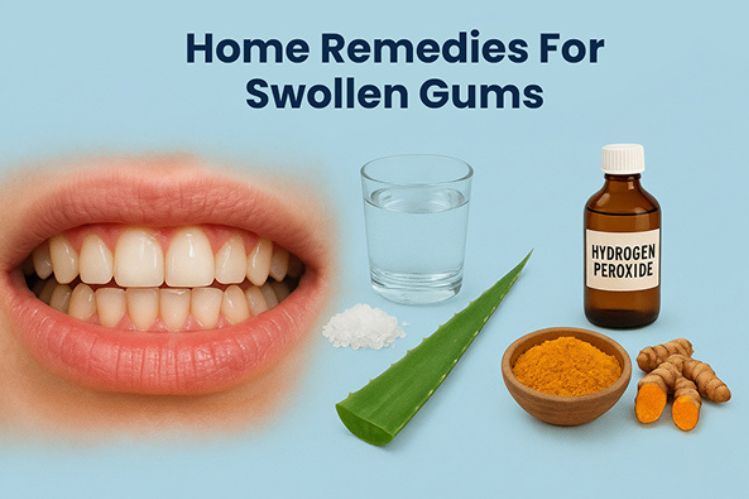
Traitement des morsures de l'intérieur de la joue à domicile
La guérison est tout aussi importante que la prévention. Des soins doux aident les tissus à récupérer plus rapidement.
Voici quelques options utiles :
- rinçages à l'eau salée
- Bain de bouche sans alcool
- Aliments mous
Évitez les aliments épicés ou piquants jusqu'à ce que la zone soit apaisée. Un traitement approprié des morsures à l'intérieur de la joue prévient l'infection et réduit les risques de récidive.
Combien de temps faut-il pour qu'une morsure à l'intérieur de la joue guérisse ?
La plupart des morsures superficielles guérissent en 7 à 10 jours. Les plaies plus profondes peuvent mettre plus de temps. Si la même zone se rouvre régulièrement, la guérison est beaucoup plus lente. C'est généralement le signe que la cause n'a pas été traitée. Se mordre l'intérieur de la joue à répétition n'est pas seulement agaçant : c'est un signal d'alarme qu'il faut prendre au sérieux.
Cicatrices et blessures récurrentes à la face interne des joues
Lorsque la même zone est mordue à répétition, des tissus cicatriciels peuvent se former. Ces tissus sont plus épais, moins souples et risquent davantage de se coincer entre les dents. C'est pourquoi, dans certains cas, il semble impossible d'y mettre fin. La zone guérit, mais de façon incomplète. C'est aussi pourquoi le traitement des morsures de l'intérieur de la joue ne parvient parfois pas à s'attaquer à la cause. Réduire les contacts répétés permet la formation de tissus plus sains, diminuant ainsi le risque de blessures futures et rendant la prévention à long terme à nouveau envisageable.
Une gouttière de protection nocturne peut-elle aider à arrêter de se mordre les joues ?
Oui, les gouttières nocturnes créent une barrière entre les dents et les tissus mous. Elles sont utiles en cas de serrement ou de grincement des dents. Cependant, elles ne corrigent pas l'alignement. Elles protègent, mais ne corrigent pas. Pour une protection durable contre le mordillement des joues, elles constituent souvent une solution temporaire.
Comment les habitudes nocturnes aggravent la situation

Nombreuses sont les personnes qui se mordent les joues en dormant sans même s'en rendre compte. Le fait de serrer et de grincer des dents tire les joues vers l'intérieur sous la pression. Cela explique pourquoi certaines personnes se réveillent avec des douleurs sans se souvenir de l'incident. Porter une protection nocturne peut être utile, mais un soulagement durable dépend avant tout de la correction de la morsure elle-même.
Stress émotionnel et habitudes orales
Le stress ne se limite pas à l'esprit. Il se manifeste aussi au niveau de la mâchoire, de la langue et des joues. En cas de concentration ou d'anxiété, certaines personnes pressent ou mordillent inconsciemment l'intérieur de leur bouche. Comprendre ce lien permet de comprendre pourquoi vous vous mordez les joues même en mangeant avec précaution. La gestion du stress réduit les habitudes orales plus qu'on ne le pense.
Pourquoi les réparations maison ont leurs limites
Les remèdes maison soulagent les symptômes, mais ne modifient pas le mécanisme sous-jacent. Les bains de bouche à l'eau salée, les gels et les gouttières apportent un soulagement temporaire. Cependant, si les dents continuent de solliciter excessivement la joue, ce soulagement sera éphémère. C'est pourquoi les solutions axées sur l'alignement dentaire constituent souvent la clé pour arrêter de se mordre la joue à long terme.
Quand arrêter le bricolage et demander de l'aide
Si la douleur s'intensifie, que le gonflement s'étend ou que la cicatrisation stagne, il est important de consulter un professionnel. Le traitement des morsures persistantes à l'intérieur des joues nécessite un suivi médical. Ignorer le problème ne le fera pas disparaître. Une prise en charge précoce permet d'éviter des désagréments ultérieurs.
Mieux vaut prévenir que guérir
Une fois que l'on cesse de se mordre l'intérieur des joues, tout change. Manger devient plus facile, parler plus naturel et sourire ne pique plus. Éviter de se mordre l'intérieur des joues n'est pas une question de perfection, mais de supprimer le déclencheur pour que votre bouche puisse enfin se reposer.
Quand le fait de se mordre les joues devient-il un problème dentaire ?
Si les aphtes persistent plus de deux semaines, saignent fréquemment ou sont anormalement fermes, il est conseillé de consulter un dentiste. Une irritation chronique nécessite un examen professionnel. Le dentiste évalue l'occlusion, les bords des dents et les mouvements de la mâchoire afin d'en déterminer la cause. C'est souvent à ce moment-là que des solutions comme le lissage des dents, le port de gouttières ou d'aligneurs sont proposées.
Comment les dentistes corrigent le mordillement des joues
Les solutions dentaires varient selon la cause. Les options peuvent inclure :
- Polissage des arêtes vives
- Ajustement de la morsure
- Alignement orthodontique
Dans les cas liés à l'alignement dentaire, les aligneurs transparents constituent une solution discrète pour corriger le mordillement des joues sans porter d'appareil dentaire.
En quoi les aligneurs transparents sont-ils différents ?

Les appareils dentaires traditionnels comportent des bagues qui peuvent irriter les joues. Les aligneurs transparents, quant à eux, offrent un confort optimal. Leur surface lisse protège les tissus mous tout en corrigeant l'alignement. Pour les personnes qui cherchent à arrêter de se mordre l'intérieur des joues, ce double avantage est essentiel : confort et correction en une seule solution.
L'aspect émotionnel des morsures de joue
Les blessures buccales répétées affectent la confiance en soi plus qu'on ne le pense. Sourire devient douloureux et manger stressant. Arrêter de se mordre l'intérieur des joues apporte un soulagement non seulement physique, mais aussi mental. Pouvoir manger et parler sans s'inquiéter change le quotidien.
De petits changements quotidiens qui font une grande différence
Se mordre les joues n'est pas un défaut. C'est un problème qui peut être résolu. Que la cause soit le stress, un problème d'alignement ou une simple habitude, des solutions existent. Comprendre pourquoi vous vous mordez les joues est le point de départ. Dès lors, un soulagement devient envisageable.
Essayez de bien vous hydrater, d'éviter de vous mordiller les joues en cas de stress et de vérifier votre posture et la tension de votre mâchoire. Ces habitudes réduisent les facteurs déclenchants et favorisent un soulagement durable.
FAQ
1. Comment arrêter de me mordre compulsivement les joues ?
A : Commencez par identifier les facteurs déclencheurs comme le stress ou les difficultés de concentration. Remplacez l'habitude par la mastication de chewing-gum ou une autre activité pour vous détendre. Si les dents sont en cause, corriger leur alignement réduit considérablement l'envie.
2. Quel est le meilleur protège-dents pour les morsures de joue ?
A: Les protège-dents sur mesure offrent la meilleure protection. Ils s'adaptent précisément à votre occlusion et réduisent les lésions des tissus mous mieux que les modèles en vente libre.
3. Combien de temps faut-il pour qu'une morsure à l'intérieur de la joue guérisse ?
A: Les morsures mineures guérissent généralement en 7 à 10 jours. Des blessures répétées ou un gonflement peuvent prolonger considérablement le temps de guérison.
4. Qu’est-ce qui déclenche le fait de se mordre les joues ?
Les facteurs déclenchants courants incluent le stress, les dents mal alignées, la tension de la mâchoire, une mastication rapide et le serrement des dents la nuit.
5. Comment les dentistes corrigent-ils le fait de se mordre les joues ?
Les dentistes évaluent l'occlusion, la position des dents et les mouvements de la mâchoire. Selon la cause, les solutions peuvent inclure le lissage des bords des dents, le port de gouttières ou un traitement orthodontique.






 English
 Canada
 English
 Portuguese
 English
 English
 English
 English
 Australia
 New Zealand
 Malaysia